J Lo isn't Irish
Dancing Salsa in Cali, Colombia
I was talking to a Willys driver in Filandia and when I mentioned I was heading to Cali, he said, “Que Chimba! Everyone who goes to Cali comes back a great salsa dancer.” I told him, “I don’t think so. Dancing is not part of my culture.” He responded, “That’s not true. Salsa comes from New York. And you have great dancers. Jennifer Lopez, Marc Anthony…” I found myself searching for reasons why he was wrong.
“Well my ancestors are from Ireland. They don’t dance like J Lo.”
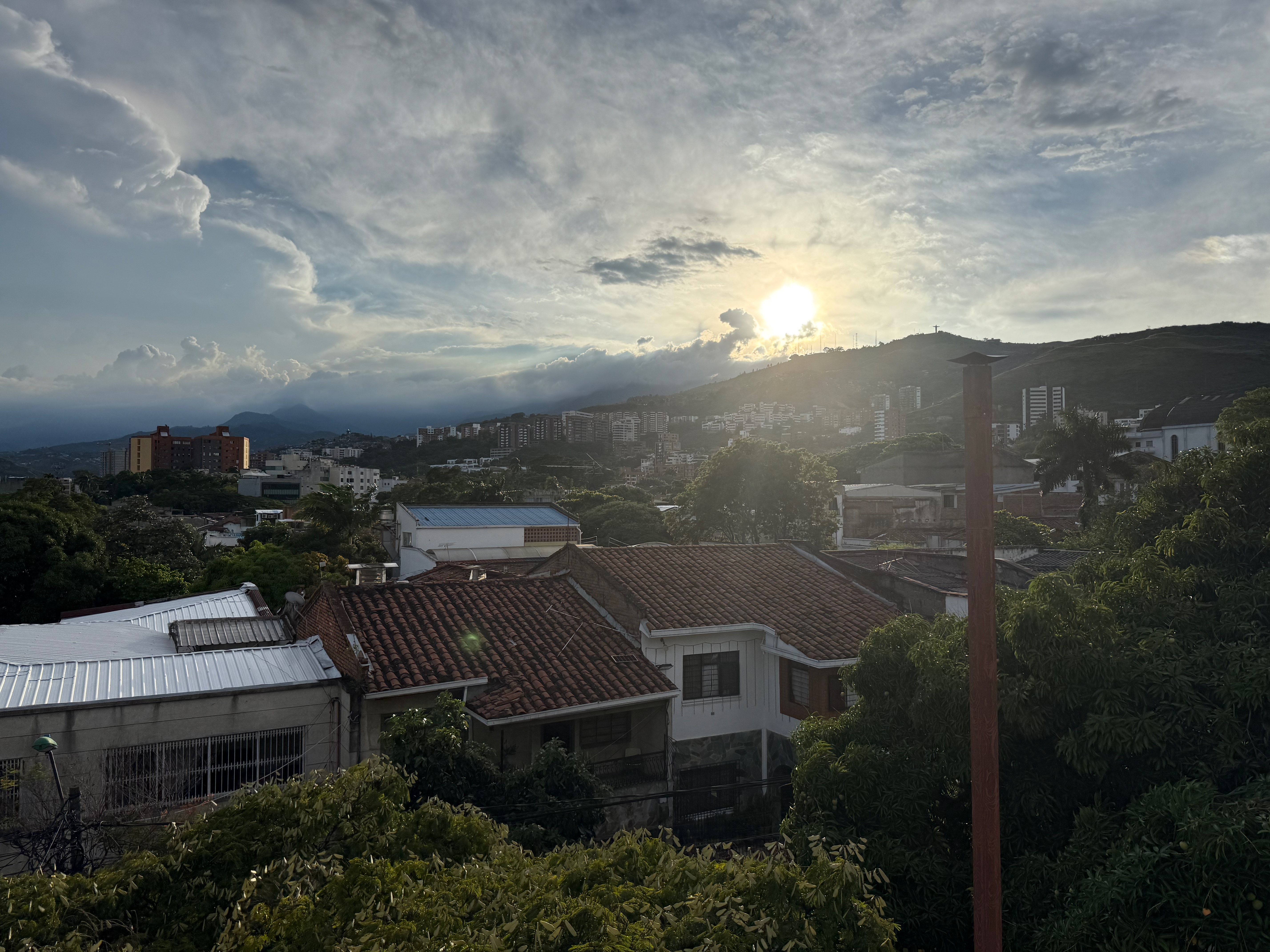
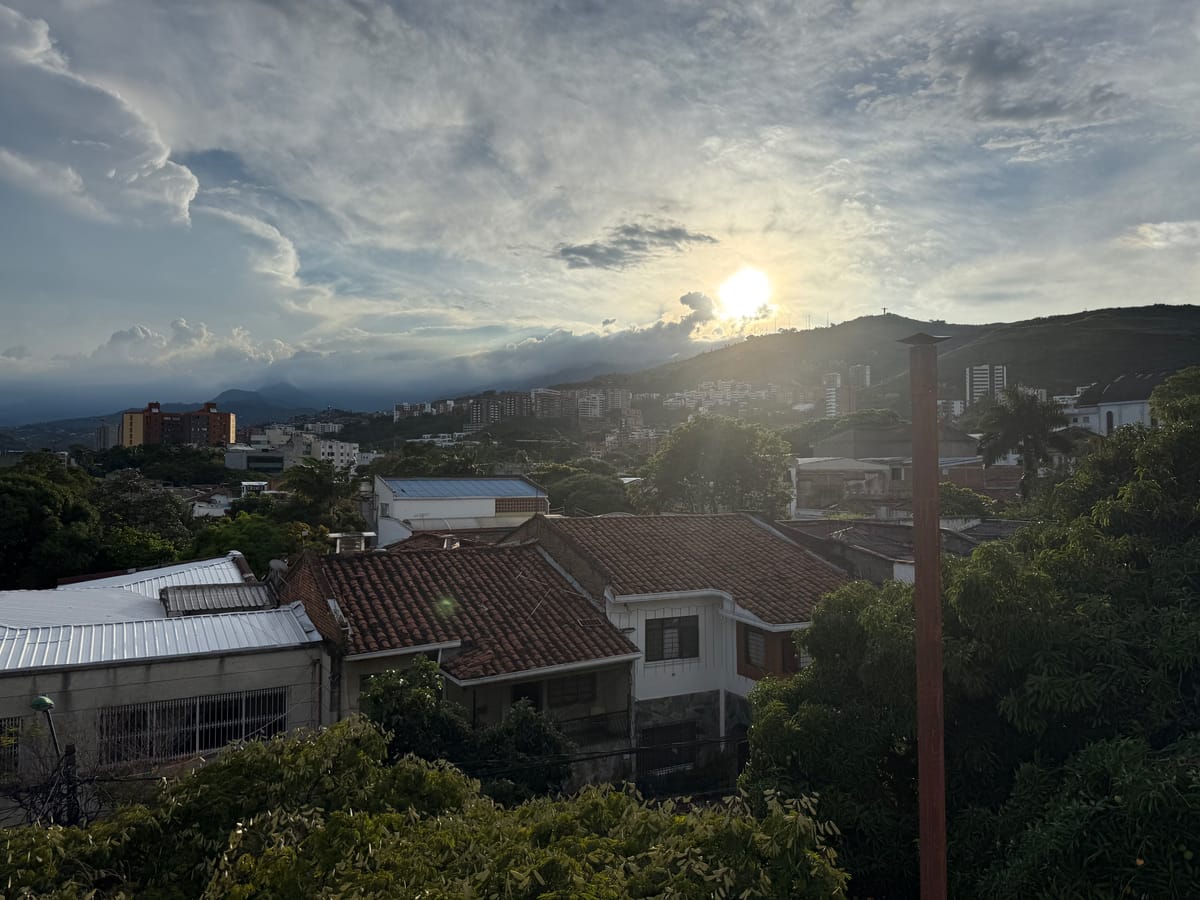
Cali is the self-proclaimed Salsa capital of the world. It’s about three hours south of the Coffee region, in the shadows of the western ridge of the Andes, sitting at the start of a long flat valley. 2 million Caleños take pride in its flatness, so much so that a big Cali Salsa hit in the 1980s famously sang, “Cali es Cali, lo resto es lomas” — “Cali is Cali, all the rest are hills.” Take that Bogotá and Medellín.
Cali is also known as one of the most dangerous cities in Colombia. The Cali Cartel in the 1970s and 1980s helped to popularize the image of Cali as a sort of hot, well-dressed, dancing haven for gangsters. However, on paper during the drug war heyday, the Cali Cartel was far less violent than that of Medellín, and preferred to spend their drug money on sponsoring Salsa bands and buying local politicians. Today, Cali has one of the highest homicide rates of any city in Colombia.
When I arrived in Cali, I stayed huddled in my hostel room for the first two hours, imagining Mad Max scenes of lawless violence outside my window. Working up my courage, I descended to the hostel reception and asked her what reality was like.
“Is Cali as bad as they say?”
“No! Just don’t wave your phone around and try not to look foreign. You don’t want to make yourself a target.”
“I can do that. Is it safe to walk to Parque Del Perro or should I Uber?”
“Hmmm, it’s best to take an Uber.”
Back in my room, I looked in the mirror and decided to take off my Bass Pro Shops hat before leaving. Feeling confidently less gringo, I unlocked the hostel gate and ventured out onto the street. When my Uber arrived, the driver immediately started speaking to me in English.
“How could you tell I was foreign?” I asked.
“Your presence.”
That night I went to a street party on Calle del Sabor with my travel buddy Eric. There was a percussion band playing overtop Salsa records from the 70s and a massive local crowd. People had brought out huge Colombian flags, guiros, cowbells. You could barely move. Everyone was going nuts.
The chaos was too much for me. I hustled out of the crush and walked onto the street, dodging drug-addled zombies as I tried to find a quiet place to hail a cab. I heard a fight breaking out behind me, so I hid myself in a bakery and waited beside a piss-stained bathroom until my Uber arrived.
On the ride back, I wished I could have stayed and enjoyed myself. I admired the energy of the Colombians, their fluidity, their ease, their spirit.
We Americans, we don’t have that.
Salsa is a mixture of American and Cuban dances. It began in Cuba, but became popularized in New York’s Latin community. It’s one of those genres that starts in one place and gains a new personality somewhere else — like Techno starting in Detroit but becoming synonymous with Berlin.
Dancing Salsa Caleña is like acrobatic improvised jazz. Good dancers barely move their upper bodies while their feet kick back and forth. Structurally, there are a handful of moves–the basic step, twirls, sidestep, the forward march. To transition between them, the leader will subtly communicate with a squeeze of the hand or a glance of the eye. Watching seasoned dancers spin and kick in perfect lockstep is a spectacle to behold.
I forced myself to take a class on the first day. The instruction was all in Spanish and I hid in the back row. I found another confused-looking gringo and pleaded.
“What the fuck is going on dude?”
Soon after, the other gringo and I were segregated into a remedial group for absolute beginners. My partner was from Cali, but still, the teacher had to come over to correct us multiple times. I felt hot in the face. All I could think about was how good the beer would taste afterwards.
After class I chatted with a Colombian girl, “that was terrifying!” I said.
“Why? Dancing is normal here.”
I told her that dancing is just not a part of my culture and I come from a place that values vastly different things.
“Imagine you traveled to a new country and every Friday everyone meets up to write code and build robots.”
In my parallel universe she goes to a hostel bar and the person next to her says, “Hey Tatiana, you coming to the robot hackathon tonight?!”
She laughed, “That sounds awful!”
“But seriously, here everyone dances. It’s just what you do. You need to try it.”
The next day I booked a one-on-one salsa lesson. My teacher showed me how to hold my hands and move my arms in a sexy Ricky Martin sort of motion. It felt weird. I tried to focus on the task, but then I looked up in the mirror and saw myself—a pasty T-Rex, my hands curled like I’d just had a stroke.
My teacher shouted with joy, “Yesss! You’re getting it!”
I remember watching Dancing with the Stars with my Stepmom fifteen years ago. In the show, they’d pair a novice celebrity with a professional dancer. They’d show a long montage of the celebrity flubbing the moves, uncoordinated and boxy. Then slowly, things clicked into place. Bit by bit, they slid smoothly and their hips unlocked and the choreographer would high-five the celebrity. The montage would end and we’d cut to yesterday’s rehearsal where the celebrity would be unrecognizable—loose, fluid, and confident.
The show wasn’t really about dancing, it was about transformation. Anyone could become a dancer.
Yes, even you.
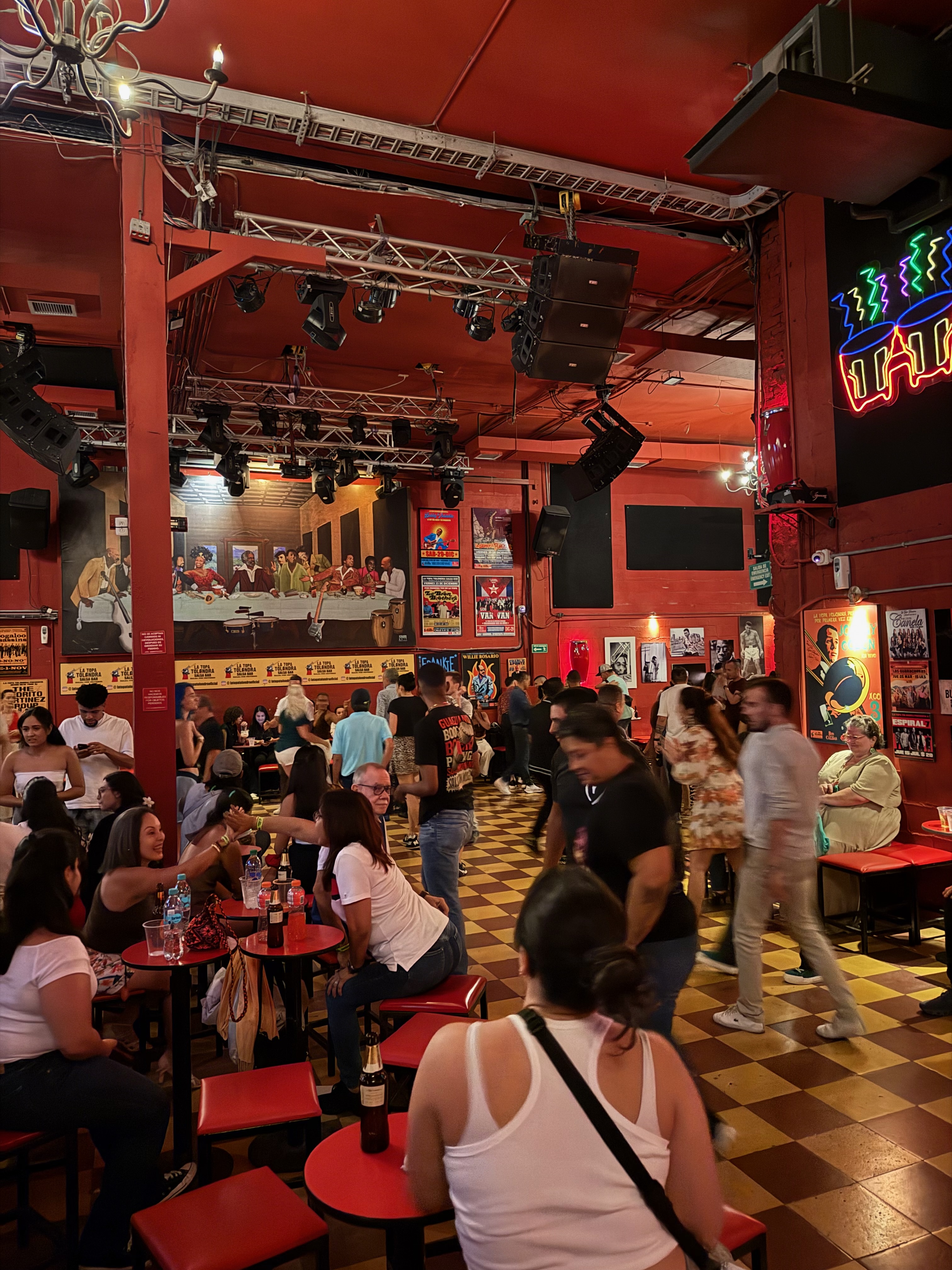
Eric, Mathis, and I visited Topa Tolondra on Sunday night, the cathedral of Salsa in Cali. It looks like a 1970s roller disco meets a 1950s high school gym. The floor is checkered, the walls are painted red and covered in murals of happy dancers and photos of past parties.
There’s a macro-choreography to the whole night. First, the DJ plays a song and everyone dances. Once the song changes, there’s a rearrangement as old dancers leave the floor, new ones enter, and people approach wallflowers and ask, “Want to dance?”
Partner dancing has a sexual undertone in the US, but in Colombia that’s not the case. Young dance with old, foreigners with locals, friends with friends. It’s a supportive, festive vibe.
On this night there was an amateur tournament, so the average talent level was high. With one hour of total salsa experience under my belt, I looked around at the stepping and hip shifting and felt comfortably out of my league.
All three of us sat at a table drinking beers and admiring the dancers. After a few songs, Mathis worked up the courage to dance. He’d been in Cali for about a month and clearly had practiced. We cheered him on.
While I was happy for Mathis, I couldn’t help but feel like a loser at a high school dance, huddled up along the wall, beer in hand. Napoleon Dynamite at Topa Tolondra.
“Yeah, I would totally be up there too, I’m just a bit tired right now.”
When you build a habit of saying no, you let bad habits calcify. You dig yourself into your comfort zone. You define yourself by the negatives.
“I’m just not a dancer.”
Later that night the dance competition began. Of the competitors, two couples stuck out to me.
The first was a stiff-jawed, buzzcut gringo who looked ex-military. His partner wore a leopard-print black and white skirt and looked vaguely Eastern European. He had a quiet air of determination and rarely smiled.
They smashed it. They were beyond well-practiced, whipping each other around in perfect time with the fast tunes. They were good, but in a classically trained sense, like a concert pianist–rehearsed, measured. Clearly the product of a salsa school and many hours in front of a mirror.
The second was a Colombian couple. The guy wore a bright red baseball hat, saggy jeans, and long unkempt mullet that poured out of his hat. He looked like someone who would loiter outside of a McDonalds in the mall. His girlfriend wore a simple black top and looked easy and relaxed.
They almost didn’t compete. They missed the first calls for dancers to line up. It seemed like they were about to go home but at the door they turned around and decided to stay. Walking into the dance circle, he had to pull up his pants and fix his falling hat.
When they danced, they lit up. His legs moved in a blur, pumping and stepping in syncopation with the trumpets over the sound system. Her eyes narrowed in focus as she spun and smiled. By the end of the first minute, they were both heaving and sweating as they danced in chaotic harmony. When the trumpets blasted a high note, he dove onto his knees and looked up at the lights in momentary reverie, free and lost.
They came in second place, but they had my heart.
Reading: Not much
Watching: Narcos and 100 Years of Solitude
Listening to: New Choker album (listen)
Items Lost: Kindle (if you know how to buy one in Colombia, lmk)
Key Stops: Mexico City, Oaxaca, Puerto Escondido, Mazunte, Eje Cafetero, Cali
Next Up: Bogotá, Medellín, Buenos Aires